How to Make Dental Visits Positive for Kids
June 24, 2026 9:00 amA dental visit can feel like a big deal to a child, even when it is only a cleaning and a quick checkup. There are new sounds, bright lights, unfamiliar tools, and adults asking them to sit still with their mouth open. For some kids, that is interesting. For others, it is enough to make the whole morning feel different.
The good news is that children do not need to walk into the office already loving the dentist. They just need a little help knowing what to expect. When the visit feels familiar and manageable, it is easier for them to build confidence one appointment at a time.
At Toland Dental in Wynne, AR, Dr. Richard Toland and the team work with children at different stages. Some come in ready to climb into the chair and talk about school. Others need a parent nearby, a few extra minutes, or a chance to watch what is happening before they are ready to participate. Both are normal.
A positive dental visit is not about getting through every appointment perfectly. It is about helping your child learn that the dentist is a regular part of taking care of their teeth, just like brushing before bed or washing their hands before dinner.
Start With a Simple Explanation Before the Appointment
Children usually do better when they know where they are going, but they do not need a long speech days in advance. In fact, too much buildup can make some kids more nervous because they start imagining things that are not part of the visit.
A short explanation is usually enough. You might tell your child that the dentist will count their teeth, look for spots that need attention, and help make sure their smile is staying healthy. If it is a cleaning visit, you can mention that someone will brush and polish the teeth with special tools.
Keep the language plain. Words such as “check,” “count,” “clean,” and “take pictures” are easier for children to understand than a lot of dental terms. At the same time, it helps not to promise that every part will feel exactly the same for every child. The visit may involve X-rays, fluoride, or a closer look at a loose tooth, depending on what your dentist sees.
If your child asks a question, answer it honestly but briefly. Then let the dental team explain the parts of the visit in kid-friendly language once you are there. They do this every day, and children often respond better when they can see and hear what is happening in the moment.
Try Not to Share Your Own Dental Worries
Parents often want to prepare children by saying things like, “It will not hurt,” or “Do not be scared.” The intention is kind, but those phrases can accidentally introduce a worry the child did not have yet.
It usually works better to keep the tone calm and matter-of-fact. You can say, “We are going to have your teeth checked,” or “The dentist is going to help us see how your teeth are growing.” That gives the visit a normal place in the day instead of making it sound like something that needs to be survived.
The same goes for stories about your own difficult dental experiences. Even a funny story about a cavity or wisdom teeth can sound much bigger to a child who has never had a dental visit before. Save those stories for another time.
Children often pay close attention to how adults react. When you act like the appointment is a routine part of caring for their body, they are more likely to take their cue from that.
Bring Comfort, but Keep It Simple
A favorite stuffed animal, small blanket, or familiar toy can help a younger child settle in. It gives them something recognizable to hold while they are in a new place, especially during the first few visits.
However, it is usually best to keep the comfort item small and easy to manage. A giant bag of toys can become its own distraction, while one familiar item can give your child something steady without taking over the visit.
Older children may not want to bring anything from home, and that is fine too. They may feel better knowing they can ask questions, listen to music, or have a parent sit nearby. Every child has a different version of what helps them feel settled.
Before the appointment, it can also help to avoid arriving already rushed. Leaving a few extra minutes for parking, checking in, or using the restroom can make the start of the visit feel less hectic for everyone.
Let Your Child Warm Up to the Office
Some children walk into a dental office ready to talk. Others need time to look around, watch the team, and get used to the room before they are ready to sit in the chair.
That is okay. A child may want to sit on a parent’s lap at first, or they may feel better watching an older sibling go first. Sometimes the smallest steps are the most useful ones: walking into the treatment room, sitting in the chair for a minute, or letting the chair move up and down.
Those moments may not look like much from the outside, but they help children learn that the setting is not as unfamiliar as it first seemed. Then, at the next visit, they often have an easier starting point.
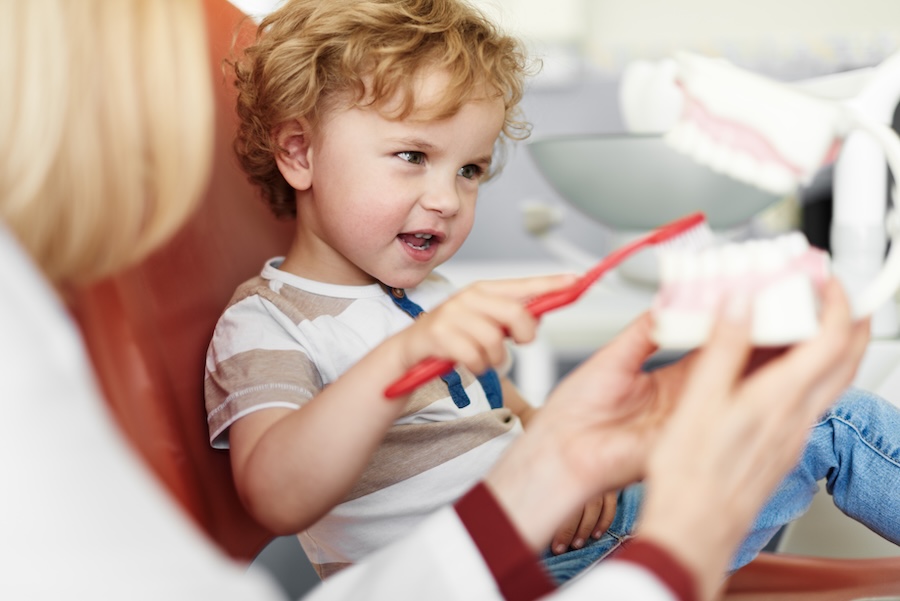
The dental team may use a “tell-show-do” approach. That means they explain a tool in simple terms, show it to the child, and then use it once the child has had a chance to see what it does. This gives children a little more context instead of expecting them to sit still while unfamiliar things happen around them.
Give Kids Small Choices When You Can
Children do not control much about a dental appointment. They cannot decide whether they need to sit in the chair or have their teeth checked. Still, a few small choices can help them feel more involved.
You might let them choose which shirt to wear, which comfort item to bring, or whether they want to brush before breakfast or after. At the office, the team may give choices such as which flavor they want for toothpaste or fluoride, or whether they want to sit up for a moment before the cleaning begins.
The key is keeping choices small and realistic. Asking, “Do you want to go to the dentist?” can turn a routine appointment into a negotiation. Asking, “Do you want to bring your dinosaur or your bunny?” gives your child a choice without changing the plan.
That little bit of control can help, especially for children who are nervous about new places or routines.
Use Positive Words Without Making Big Promises
Praise can go a long way, but it works best when it is specific. Instead of saying, “You were so brave,” you might say, “You did a great job sitting still while your teeth were counted,” or “You let the dentist look at your back teeth even though that felt new.”
Specific praise helps children understand what they did well. Then, when they come back for the next appointment, they have something concrete to build on.
At the same time, it helps not to turn the visit into a huge test. A child may have a hard time with one part of the appointment and still do well overall. Maybe they did not like the X-rays but sat through the cleaning. Maybe they needed a break before opening wide again. That is still progress.
Try to talk about the visit as a learning experience rather than something they either passed or failed. Dental visits get easier when children learn that they can take small steps, ask for a pause, and come back again.
Keep Regular Visits Part of the Routine
Waiting until a child has tooth pain can make the first dental visit feel much bigger. The appointment may involve discomfort, urgency, or treatment that a child was not expecting. Regular checkups give children a chance to get familiar with the office when nothing is wrong.
Those routine visits also help Dr. Toland watch how the teeth are coming in, look for early signs of cavities, and talk with parents about brushing, flossing, thumb sucking, grinding, or other concerns that can come up as children grow.
Over time, familiar visits can make a difference. Your child starts recognizing the waiting room, the chair, the team, and the routine. The dentist becomes someone who checks their teeth, not someone they only see when there is a problem.
That familiarity is often what helps dental care feel less intimidating as children get older.
Practice Dental Care at Home in a Low-Key Way
Home routines can make dental visits easier because children are already used to someone looking at their teeth. Brushing together, letting your child practice opening wide in the mirror, or taking turns “counting” each other’s teeth can make the basic idea feel familiar.
You do not need to turn bedtime into a pretend dental office. Still, little moments can help. You might say, “Let’s make sure we get the back teeth,” or “Open wide so I can see if you brushed around your molars.” That way, the phrases they hear at the office do not feel completely new.
Books or short videos about going to the dentist can help some children too, especially before a first visit. Keep it light, though. The goal is to make the idea more familiar, not to rehearse every possible thing that could happen.
For children with sensory sensitivities or strong reactions to new routines, it can help to let the office know before the visit. Details such as bright lights, sounds, tastes, or having someone close to their face can affect how a child experiences the appointment. Sharing that ahead of time gives the team useful information.
What to Do When Your Child Is Nervous
Some children are nervous even after you prepare them well. That does not mean the appointment is going badly. It may simply mean they need a little more time.
Try to keep your own voice calm. You can remind your child that they can listen to the dentist, ask a question, or take a short break if they need one. In many cases, the visit goes better when the parent lets the dental team guide the conversation instead of repeating instructions from the side of the chair.
It can also help to avoid apologizing for your child being upset. The dental team understands that children can cry, freeze up, talk a lot, or need extra support. Your child is learning a new experience, and that can take more than one visit.
Some children do better with shorter, simpler appointments at first. Others warm up once they see that the chair moves, the dentist is friendly, and nothing happens all at once. The first goal may simply be getting comfortable enough to come back without the same level of worry.
Positive Dental Visits for Kids in Wynne, AR
Helping a child feel comfortable at the dentist usually comes down to a few practical things: explain the visit simply, keep your tone calm, arrive without rushing, and let them get familiar with the office over time. Some children will be ready right away, while others may need a few smaller steps.
At Toland Dental in Wynne, AR, Dr. Richard Toland and the team can help your child get used to regular dental visits in a way that fits their age and comfort level. Call to schedule a visit when it is time for a checkup, when a new tooth is coming in, or when you want help getting your child started with a healthier dental routine.
Categorised in: Dental Tips, Family Dental Care