The Truth About Fluoride Treatments: Benefits & Myths
January 21, 2026 9:00 amFluoride is one of those dental topics that gets mentioned a lot — at the dentist’s office, in toothpaste ads, and sometimes on social media. But not everyone is sure why it matters, how it works, or whether it’s really necessary.
At Toland Dental in Wynne, AR, Dr. Richard Toland talks with patients about fluoride every day. Here’s a clear look at what fluoride treatments actually do, what they don’t do, and why they’re recommended in many preventive care plans.
What Fluoride is and How It Works
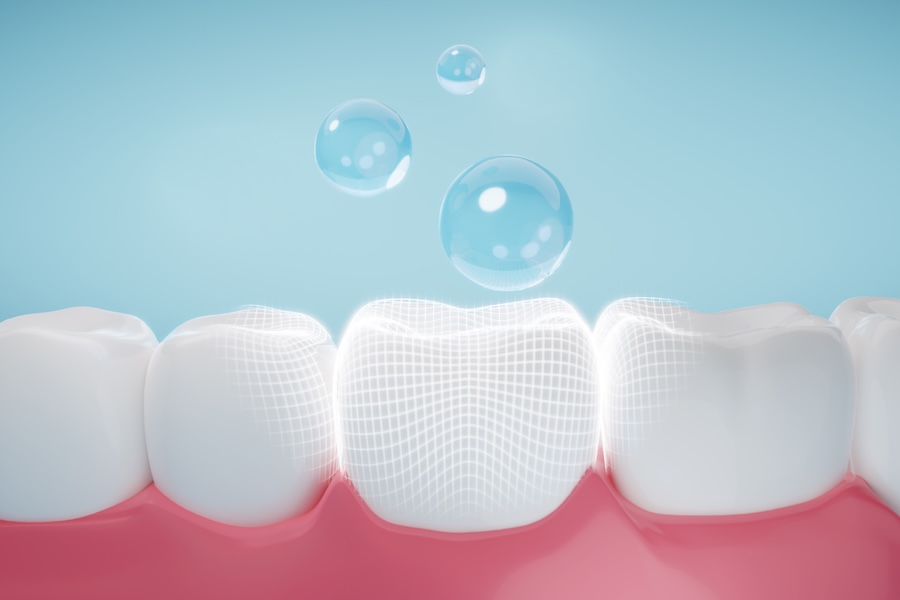
Fluoride is a naturally occurring mineral that helps strengthen tooth enamel, the hard outer layer of your teeth. Think of enamel as a shield — the stronger it is, the better it resists decay. Fluoride interacts with the mineral structure of enamel in a way that makes it less vulnerable to acids that form when bacteria break down sugars in your mouth.
It doesn’t cure cavities that are already advanced, but it can help slow the earliest stages of decay and make teeth more resilient.
What a Professional Fluoride Treatment Involves
A fluoride treatment at the dentist is quick and simple. After your cleaning and exam, a concentrated fluoride gel, foam, or varnish is applied to the teeth. The process typically takes just a few minutes and doesn’t require any drilling, injections, or discomfort.
The idea is to give the teeth a boost right when they’ve just been cleaned to maximize the remineralization.
Real Benefits of Fluoride Treatments
- Strengthens Enamel: Fluoride embeds into the outer layer of the tooth, helping it resist acid attacks that lead to decay.
- Helps Reverse Early Decay: In the very early stages — before a cavity becomes a hole — fluoride can help remineralize soft spots and slow progression.
- Offers Extra Protection: Especially for people prone to cavities, whether due to diet, dry mouth, genetics, or other factors, a professional fluoride application adds another layer of defense beyond brushing and flossing.
- Safe and Time‑Tested: Decades of research support fluoride’s role in preventive dental care when used appropriately.
At Toland Dental, fluoride is just one part of a comprehensive preventive strategy — alongside cleanings, exams, and tailored hygiene advice.
Common Misconceptions About Fluoride
Myth: Fluoride is Risky or Toxic
Fact: Not in the amounts used in dentistry. Professional fluoride treatments and fluoride toothpaste are both considered safe by the ADA. Overuse is only a concern with excessive ingestion, especially in small children — but that’s not the same as a fluoride varnish applied by your dentist.
Myth: Fluoride is Only for Children
Fact: Kids benefit because their enamel is still developing, but adults get real value too. Dry mouth, gum recession, or a history of decay can all increase risk — and fluoride can help reduce it.
Myth: If You Brush with Fluoride Toothpaste, You Don’t Need Professional Fluoride
Fact: Brushing with fluoride toothpaste is excellent — and the foundation of daily protection — but professional fluoride treatments use a higher concentration in a controlled way. For patients with moderate to high decay risk, that extra boost matters.
Who Might Benefit Most from Fluoride Treatments
Fluoride isn’t a one‑size‑fits‑all prescription, but it’s useful in many cases, including when a person:
- Has a history of cavities
- Has visible enamel softening or early decay
- Drinks well water (which may lack fluoride)
- Has dry mouth from medications or health conditions
- Wears braces or Invisalign
- Has gum recession that exposes more sensitive root surfaces
Dr. Richard Toland will help you understand whether fluoride is a good fit for your particular situation based on your exam and dental history.
Fluoride & Sensitivity Relief
If you’ve noticed sharp discomfort when drinking something cold or eating sweets, fluoride might help. It works by strengthening areas of enamel that are thinning or worn — reducing how much the nerves inside your teeth get stimulated.
It’s a simple treatment with an outsized benefit for people with ongoing sensitivity.
How Often Should You Get Fluoride?
There’s no single answer for everyone. For some people, a fluoride treatment twice a year at regular checkups makes sense. Others at higher risk may benefit from more frequent applications. Your dentist will recommend a schedule that lines up with your oral health needs and lifestyle.
Fluoride and Everyday Care at Home
Professional applications are just one part of the picture. Daily habits support fluoride’s benefits:
- Brush twice a day with fluoride toothpaste
- Floss daily to reduce bacterial buildup between teeth
- Rinse after acidic or sugary foods when possible
- Use fluoride mouth rinses if recommended
Good hygiene plus professional care gives you the best chance of maintaining strong enamel over the long term.
Fluoride Treatments at Toland Dental in Wynne, AR
Fluoride treatments are a trusted, research-backed tool — not a gimmick or unnecessary extra. At Toland Dental, Dr. Richard Toland uses fluoride strategically as part of a broader preventive care plan that fits each patient’s needs.
If you’re wondering whether fluoride could help protect your enamel, reduce sensitivity, or prevent future problems, schedule a visit. We’re here to talk through what’s helpful, what’s not, and what makes the most sense for your smile.
Categorised in: Fluoride Treatment, Preventive Dentistry